

Bringing the edge: MXGP’s engaging drone material has accelerated a fresh perspective of the sport
Drones are now an extensive part of 2025 MXGP, with wide scene-setting images as well as fast, close scenes from the two units used for live TV coverage. We talk to the expert behind the change.

By Adam Wheeler.
When it comes to live television, MXGP is a stodgy, unwieldy beast. Four hours of coverage of the MXGP and MX2 classes with an inflexible and skeletal pre-and-post race format (that hasn’t changed for years) as well as comprehensive but rigid fixed camera positions; it’s hard to squeeze much more into the sheer quantity of minutes that the production requires.
Grand Prix has experimented with the impracticality of onboard technology (if riders are shedding personal protection like airbags then why would they carry extra baggage for broadcast?) but the addition of roaming drones has given the visual presentation of the sport (also AMA SMX) a much needed refresh since their introduction in 2024. Infront Motor Racing have invested further in more technology and a family-run two-crew set-up for 2025, and the ‘pursuit’ drone, operated by 34-year-old Gaetan Valente, has brought a new exhilarating dynamic to the speed and difficulty of MXGP.
The artistic zenith was the plunging ‘eagle-eye’ view of the Qualification Race start at the Grand Prix of Trentino this spring, allowing a wonderful appreciation of the Dolomite setting of Pietramurata.
Gaetan’s work even has its own Instagram account with meaty clips of the MXGP and MX2 action.
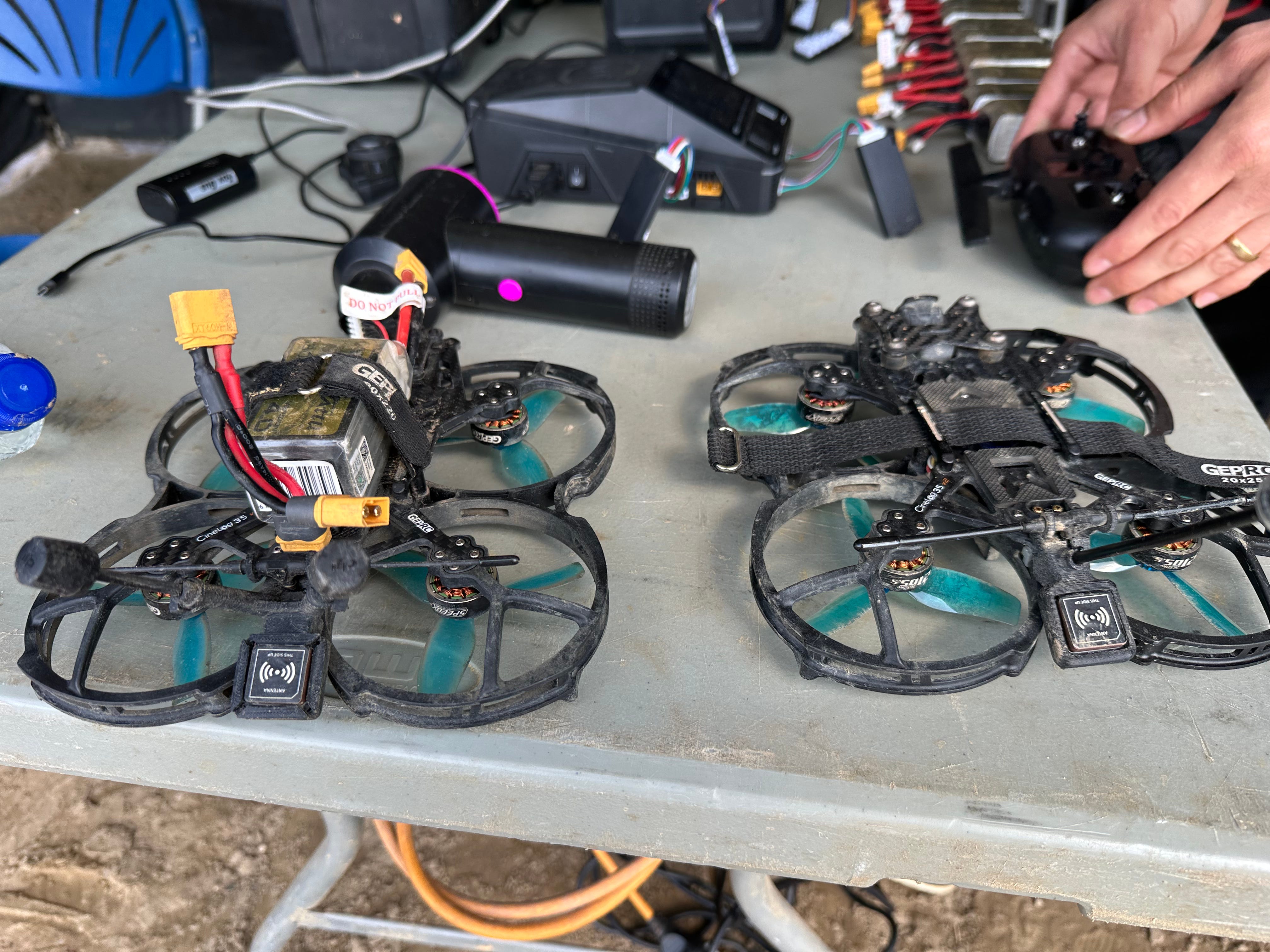
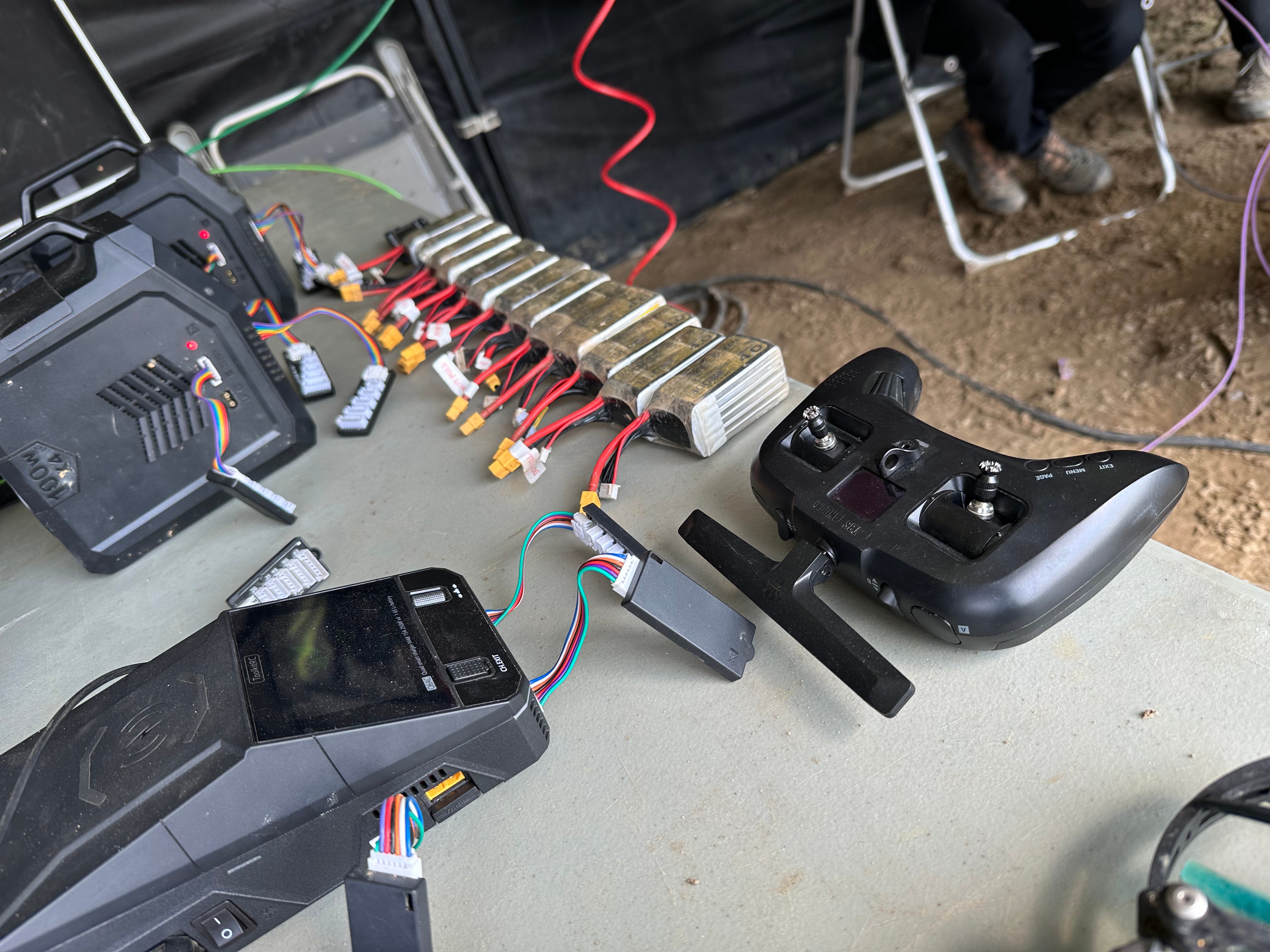
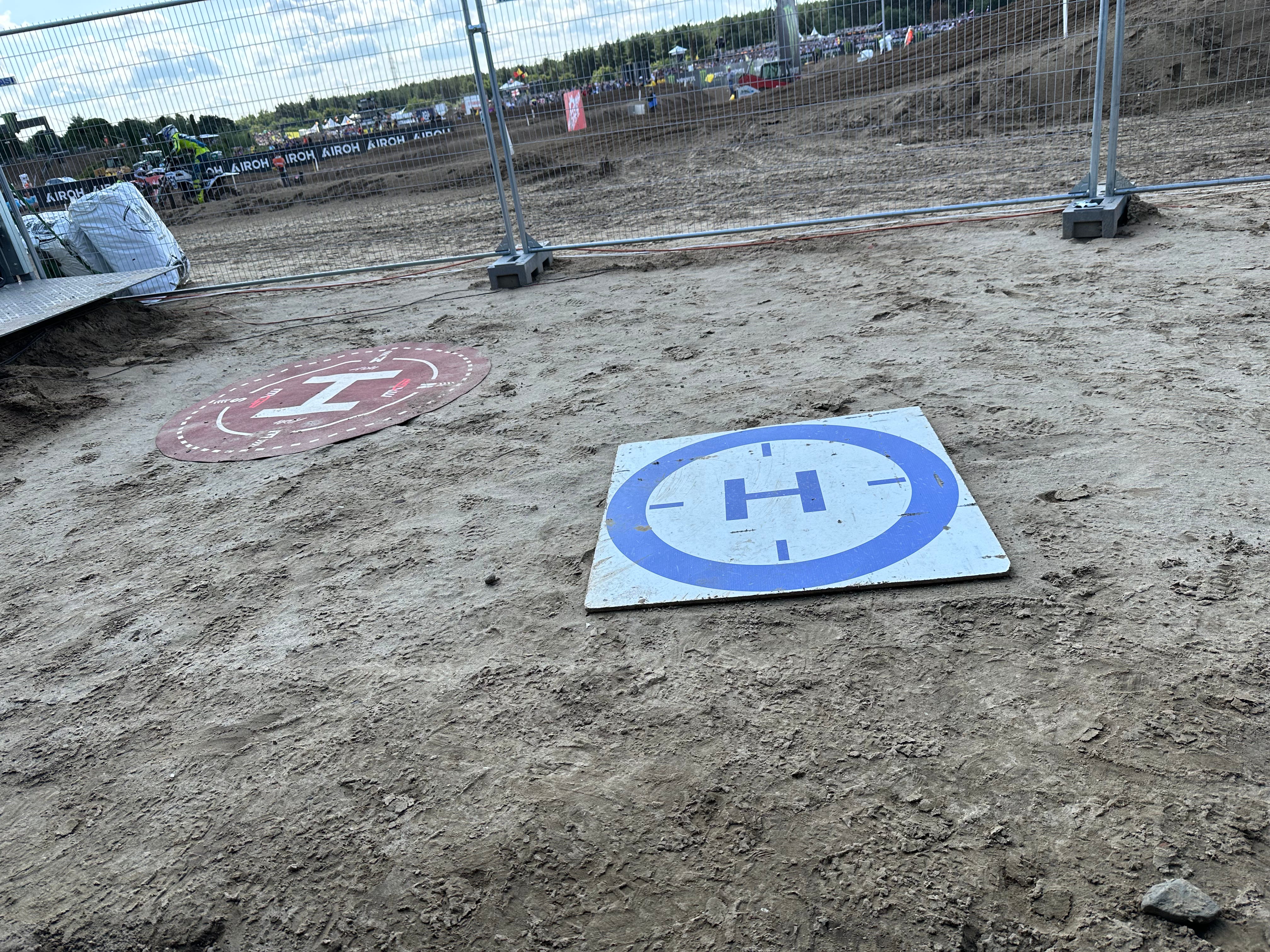
The Swiss has been flying and racing drones since 2019. A motocross rider and former Swiss Championship runner, he came into MXGP in 2024 and is now a key component of the live TV output. “We use an FVP drone and the brand is a GEPRC Cinelog35 but the only way to have a live stream, for now, is to use a DJI Pro camera and with DJI goggles as well,” he explains. For the uninitiated, Valente flies the drone from a location or pad next to the TV broadcast truck with the aid of a remote, and obtains the ‘view’ thanks to the goggles, that are similar to a VR headset. He then follows the lead of the TV director and has free reign for proximity. This is the main advantage of MX compared to permanent motorsport facilities used for F1 and MotoGP with strict regulations preventing aerial presence below a certain height; there drones are used for sweeping angles along pitlane or on the exterior of curves.
“I can fly where I want until they need me for something special,” he reveals. “Usually I take the race start, then see how the race goes and who is fighting with who. In my left ear I have the TV production and in my right I have the drone co-ordinator who is watching the live timekeeping to see who is making time and where a fight might happen.”
“Quite often I feel like I’m in the race,” he grins. “I’m really focused because I have to be careful of the marshals, the riders and photographers around the track. It’s really enjoyable.”
For a relatively new strand of technology for sports broadcasting, the drone set-up has its compromises. Reach, range and duration are the main headaches. “Most of the time I can fly around the whole circuit but I cannot lose sight of the drone,” Gaetan says. “We had a problem in Sardinia because half of the track is behind a small hill so we had to build a huge antenna, 10m high, to spread the signal and supply the goggles. My location is important to have the best signal for the image and also the controller.”
“It would also be great if we didn’t have to change the battery every four minutes!” he adds. “It depends how fast I fly but if the track is quick then it can run down in 3 minutes! It would be a big improvement if we could double this time; much easier for us. We also struggle with the signal sometimes for the goggles. The remote is quite good…but when you lose vision then you cannot fly anymore, and you have to push the ‘rescue’ button and save.”
Looking at FVP drone at Lommel for the Belgian Grand Prix, the rotors and the unit are sandblasted and abused. “It’s tough for the drone: it’s a good soldier! It takes a lot of rocks and debris,” Gaetan says from the confines of his small trailer, stocked with boxes of spares and charging batteries. “Here, with the sand, the propellers get destroyed after one race. We change a lot of parts. A DJI drone cannot be dissembled but ours is different. We build everything and we can change the engine, the flight controller and other components. We have many.”
Apparently, flying a drone is not an easy skill. “It’s hard to understand if you haven’t tried it,” Valente asserts. “If you want to turn left then you don’t just hit the ‘left’ button. You have to mix all the angles. It would be impossible just to pick up the controls and to fly an FVP drone in acro mode. You can add ‘help’ from the flight controller to manage flight…but it gives you less freedom. I fly in full manual mode and it would be very hard to do it without some training. I’ve trained on the simulator and I’m used to racing with a drone where it is way faster. When you are able to fly at 200kmph and make really tight corners then following an MXGP rider is not too tough.”
Swooping after race-leading riders while they hammer ruts and cut through the air is another task. The lines and the positions are not always that clear to predict. “It’s easier in the sand though because the speed is more constant,” Gaetan says. “On the dirt they can brake hard, lose speed and then accelerate quickly. There is more variation. The sand is easier because nobody escapes it!”
Creating a standout picture like the Trentino start requires precision. “We tried three times! The first one was for timing, the second time I was stressed and I arrived too early because I didn’t trust the count. The third time we followed the plan…and it happened. It was a beautiful shot.”
Valente’s ‘money shot’ is beyond audacious. “I would like to pass through a rider’s arm and the seat of the bike while he’s doing a whip. I think it would be impossible…but I’d like to try. It would take a lot of organisation…and a few attempts. Although riders are here to race and not make our shots!” It says a lot for the power of the technology and the imagination it inspires.
Radicalism aside, the effect of the drone has augmented MXGP and the appreciation of elite level motocross. Gaetan smiles to the suggestion that he has made the TV portrayal of the sport look like a video game. “I’m really lucky to follow the action so closely,” he acknowledges. “They believe in my skills and I’m happy with that. I know in F1 and MotoGP they are not allowed on the track. You really have to focus and be careful. It’s a great feeling.”